
hairstylesopedia podcast
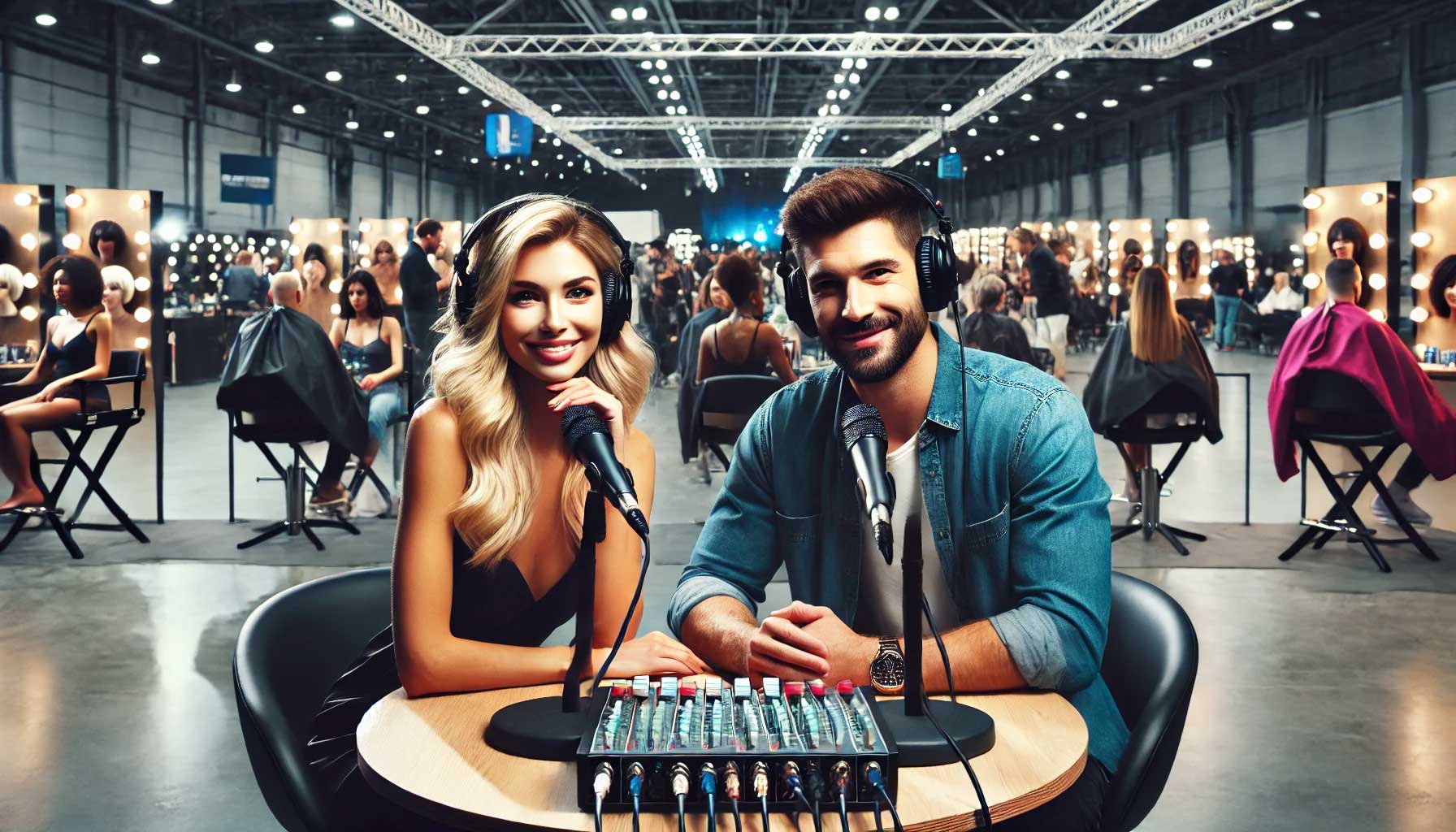
Hairstyles Podcast Highlights
What are the major historical and cultural influences on the evolution of popular hairstyles?
The sources provide several examples of how historical events and cultural movements have influenced popular hairstyles:
The Black Power movement of the 1960s and 70s led to the rise of the Afro Puff, a style that embraces natural hair and celebrates Black identity.
Similarly, the Short Afro rose to prominence during the civil rights movement as a powerful symbol of Black pride and natural beauty. The Tapered Afro, a more modern take on the traditional Afro, also emerged from the Black pride movement.
African culture has had a significant impact on hairstyles, with styles like Goddess Braids, Cornrows, and Flat Twists originating from the continent.
These styles are often seen as symbols of strength, beauty, and cultural pride, and continue to be popular today.
The Flat Top hairstyle, characterized by its flat, horizontal top and shorter sides, gained popularity in the 1980s, particularly within hip-hop culture and African-American communities.
This style became a bold and iconic look of the era, closely associated with the cultural movements of the time.
The Layered Bob, a hairstyle that gained prominence in the 1920s, became a symbol of women’s liberation and modernity during the flapper era.
This short and chic hairstyle challenged traditional notions of femininity and reflected the changing roles of women in society.
The sources highlight how hairstyles can be expressions of cultural identity, social movements, and changing norms throughout history.
What are the major historical and cultural influences on the evolution of popular hairstyles?
Cultural Expression Through Hairstyles
The sources illustrate how hairstyles go beyond mere aesthetics and serve as powerful forms of cultural expression, often intertwined with history, identity, and social movements. Here are some key ways hairstyles reflect cultural expression:
Hairstyles as Symbols of Identity and Heritage:
- African Culture: The sources emphasize the profound impact of African culture on hairstyles. Styles like Goddess Braids, Cornrows, and Flat Twists originated in Africa, signifying strength, beauty, and cultural pride. These styles have transcended geographical boundaries and continue to be embraced globally as a celebration of African heritage.
- Black Identity: The sources highlight how certain hairstyles became potent symbols of Black identity, particularly during times of social change. The Afro Puff emerged from the Black Power movement, emphasizing natural hair and Black pride. Similarly, the Short Afro became synonymous with the civil rights movement, representing natural beauty and a rejection of Eurocentric beauty standards. The Tapered Afro reflects a modern evolution of this expression, blending heritage with contemporary style.
Hairstyles as Markers of Social Movements and Change:
- Black Power Movement: The Afro Puff’s emergence during this period signified a shift towards embracing natural hair as a source of pride and power within the Black community.
- Civil Rights Movement: The Short Afro’s popularity during this era reflected a powerful statement of Black identity and a challenge to societal norms that often favored Eurocentric beauty standards.
- Women’s Liberation: The Layered Bob, gaining traction during the 1920s flapper era, became a symbol of women’s liberation and a departure from traditional, restrictive hairstyles. This style marked a period where women were challenging societal expectations and embracing a more modern, independent image.
- Hip-Hop Culture: The Flat Top, rising to prominence in the 1980s, became closely associated with hip-hop culture and African-American communities. This bold and edgy style reflected the cultural movement and artistic expressions of the time.
Evolution of Hairstyles Reflecting Cultural Shifts:
- The sources demonstrate how hairstyles evolve and adapt over time, reflecting changing cultural landscapes and individual preferences. While rooted in tradition, styles like the Tapered Afro demonstrate a modern take on a classic look, blending cultural heritage with contemporary aesthetics.
- The sources also illustrate how hairstyles can transcend cultural boundaries and be adopted by individuals from diverse backgrounds. While originating from a specific culture, a hairstyle’s aesthetic appeal and symbolism can resonate with a wider audience, contributing to its evolution and adaptation within different cultural contexts.
The sources showcase how hairstyles are not merely about aesthetics but are deeply intertwined with cultural identity, historical narratives, and expressions of individuality. Hairstyles can be powerful symbols, reflecting social movements, cultural pride, and personal beliefs. Through their evolution and adaptation, hairstyles continue to tell stories and shape our understanding of culture and identity.
The Importance of Face Shape in Hairstyle Selection
While the sources provide a rich exploration of the cultural and historical influences on hairstyles, they also emphasize the importance of choosing a style that complements one’s face shape. The sources frequently mention “face framing” when describing various hairstyles, highlighting how certain styles can accentuate or soften particular facial features.
Here’s what the sources say about how specific hairstyles interact with face shape:
Styles that create an open and framed look by pulling hair away from the face:
- Afro Puff: This style pulls hair away from the face, creating an open and framed look.
- Goddess Braids: Braids are pulled back, highlighting the cheekbones and jawline.
- Cornrows: This style pulls hair tightly away from the face, accentuating facial features.
Styles that soften and frame the face:
- Loose Waves: This style softens and frames the face without harsh lines.
- Layered Bob: Layers help soften and frame the face.
- Short Afro: The rounded shape softens and frames the face.
- Medium Length Messy: This style softens the face and adds structure with length.
- Curly Fringe: The fringe adds softness and balances out sharper facial features.
Styles that emphasize specific facial features:
- Flat Top: This style creates a structured, geometric silhouette that emphasizes the forehead and cheekbones.
- Pixie Afro: Enhances facial structure by highlighting cheekbones and jawlines.
- Short Bob: This style frames the face, highlighting the jawline.
- Shadow Fade: The fade accentuates the hairline and facial features.
- Tapered Afro: The taper accentuates the forehead and cheekbones.
- Drop Fade: The drop fade emphasizes the jawline and neck.
- Chignon Bun: The sleekness of the bun pulls hair away from the face, emphasizing facial structure.
- Flat Twists: Twists pull the hair away, highlighting the face.
- Pompadour: The height of the pompadour adds length to the face.
Styles that work well with various face shapes:
- Shoulder Length (waves): This style frames the face, creating a relaxed, natural look.
General Observations:
- The sources don’t explicitly categorize face shapes (e.g., round, oval, square) and which hairstyles best suit them. This information is outside the scope of the provided sources.
- The sources emphasize that a skilled hairstylist can offer personalized advice on choosing a hairstyle that complements one’s face shape.
Key Takeaway: While the sources focus on the cultural and historical aspects of hairstyles, they underscore the importance of considering face shape when selecting a style. The “face-framing” effects of different hairstyles can enhance or soften features, contributing to a harmonious and flattering overall look.
Hair Texture: A Key Factor in Hairstyle Suitability
The sources emphasize that hair texture is a crucial factor to consider when selecting a hairstyle. Different styles are often best suited for specific hair textures, and understanding these relationships is essential for achieving the desired look.
Here’s a breakdown of how the sources connect hair textures with various hairstyles:
Naturally Coily or Curly Textures:
- Afro Puff: Ideal for naturally coily or curly textures, allowing for a voluminous and expressive puff.
- Short Afro: Best suited for coily and tight curls, embracing the natural texture in its short and rounded form.
- Pixie Afro: Designed specifically for coily hair with a natural afro texture, creating a chic and modern look with short, tight curls.
- Tapered Afro: Works best with naturally coily or kinky hair, as the natural texture provides volume and dimension to the tapered shape.
- Flat Twists: Well-suited for curly or coily textures, allowing the hair to be twisted flat against the scalp in defined sections.
Straight or Slightly Wavy Textures:
- Loose Waves: Designed for soft, tousled waves, typically achieved with naturally straight or slightly wavy hair.
- Layered Bob: Works well with both straight and wavy textures, allowing the layers to enhance movement and volume.
- Short Bob: Best suited for straight or slightly wavy hair, maintaining the sleek and structured shape of the bob.
- Pompadour: Works best with straight or slightly wavy hair, as these textures can be easily styled upward and backward to create the voluminous front.
- Chignon Bun: Smooth, straight, or lightly wavy hair works best, creating a sleek and polished bun.
Versatile Textures:
- Goddess Braids: While traditionally worn with naturally textured hair, the sleek and smooth appearance of Goddess Braids can be achieved with various hair types, often with the help of extensions.
- Flat Top: Although typically associated with thick, coarse hair, the Flat Top can be adapted for different hair textures with the right styling techniques.
- Cornrows: Traditionally created with textured hair, Cornrows can be styled with various hair types, offering versatility in braiding patterns and designs.
- Medium Length Messy: This adaptable style works with straight, wavy, or curly hair, embracing a natural and relaxed aesthetic.
- Shoulder Length (Waves): Can be styled with straight, wavy, or curly hair, allowing for a versatile and carefree look.
- Shadow Fade: This fade style complements all hair textures, as the focus is on the smooth transition of hair length rather than a specific texture.
- Faux Locs: Designed to mimic natural dreadlocks, Faux Locs can be created with various hair textures using extensions.
- Peekaboo Highlights: While best with straight or wavy hair, Peekaboo Highlights can also be incorporated into curly textures, adding a subtle pop of color.
- Drop Fade: Suitable for all textures, from straight to curly, as the emphasis is on the shape of the fade rather than a specific hair texture.
- Curly Fringe: While best suited for naturally curly or wavy hair, a Curly Fringe can be achieved with straighter textures using styling products and techniques.
General Observations:
- The sources emphasize that understanding your hair texture is key to choosing a hairstyle that will work well with your natural hair characteristics.
- The sources also suggest that consulting with a skilled hairstylist can be beneficial, as they can offer personalized recommendations based on your hair type, texture, and desired style.
Key Takeaway: Hair texture plays a significant role in determining which hairstyles will look best and be easiest to manage. While many styles can be adapted for different textures, working with your natural hair characteristics generally leads to more successful and satisfying results.
Celebrity Influence on Hairstyle Trends
The sources highlight how celebrities have played a significant role in popularizing and shaping hairstyle trends. While the sources provide detailed information on various styles, their origins, and suitability for different hair textures and face shapes, they also connect specific hairstyles with famous individuals who have made those looks iconic.
Here’s a look at how the sources link celebrity influence to particular hairstyles:
- Afro Puff: Diana Ross is cited as a prominent figure who made this style popular, particularly during the Black Power movement, when embracing natural hair became a powerful statement.
- Loose Waves: Chris Hemsworth embodies the effortless cool of this relaxed, beachy hairstyle, showcasing its versatility for a casual and approachable look.
- Goddess Braids: Gabrielle Union exemplifies the regal and elegant nature of Goddess Braids, reflecting their cultural significance and timeless appeal.
- Flat Top: Will Smith’s portrayal of the character “Fresh Prince” in the popular sitcom “The Fresh Prince of Bel-Air” solidified the Flat Top as a symbol of 1980s hip-hop culture.
- Cornrows: Alicia Keys’ frequent use of Cornrows has highlighted their versatility, showcasing their beauty both as a protective style and as a statement of cultural pride.
- Medium Length Messy: Jared Leto’s adoption of this style demonstrates its adaptability for men, proving that medium-length hair can be both stylish and manageable.
- Layered Bob: Jennifer Aniston’s iconic “Rachel” haircut from the sitcom “Friends” cemented the Layered Bob as a classic and stylish choice for women.
- Short Afro: Michael B. Jordan’s choice of a Short Afro showcases its power as a symbol of Black pride and its ability to accentuate natural features.
- Pixie Afro: Lupita Nyong’o’s frequent use of the Pixie Afro has elevated its status as a chic and modern take on natural hair, demonstrating its versatility for various occasions.
- Shoulder Length (waves): Johnny Depp exemplifies the carefree and rebellious spirit of this hairstyle, making it a popular choice for those seeking a relaxed and effortless look.
- Short Bob: Anna Wintour, the editor-in-chief of Vogue, has made the Short Bob her signature style, highlighting its sophistication and timeless appeal.
- Shadow Fade: Usher’s adoption of the Shadow Fade exemplifies its sleek and modern aesthetic, showcasing its versatility for both casual and formal settings.
- Faux Locs: Zendaya’s use of Faux Locs demonstrates their beauty and versatility as a protective style, highlighting their ability to create a bohemian-chic aesthetic.
- Tapered Afro: Donald Glover’s portrayal of his musical alter ego, Childish Gambino, often features a Tapered Afro, reflecting its modern take on a classic Black hairstyle.
- Peekaboo Highlights: Christina Aguilera’s experimentation with Peekaboo Highlights showcased their playful and expressive nature, revealing hidden pops of color underneath her signature blonde hair.
- Drop Fade: Odell Beckham Jr.’s choice of a Drop Fade highlights its sharp and stylish appearance, emphasizing its popularity among athletes and trendsetters.
- Chignon Bun: Meghan Markle’s frequent use of the Chignon Bun, particularly during formal royal engagements, underscores its elegance and timelessness as a classic updo.
- Curly Fringe: Timothée Chalamet’s embrace of the Curly Fringe showcases its ability to soften facial features and add a touch of personality to a hairstyle.
- Flat Twists: Teyonah Parris exemplifies the versatility of Flat Twists, proving that they can be styled for both casual and formal occasions while celebrating natural hair texture.
- Pompadour: Elvis Presley’s iconic Pompadour solidified its status as a symbol of rock and roll rebellion and its enduring influence on men’s hairstyles.
General Observations:
- The sources suggest that celebrities play a significant role in bringing attention to particular hairstyles and influencing their popularity.
- By associating certain looks with famous individuals, the sources create a connection between these hairstyles and the celebrities’ public image, style, and cultural impact.
- The sources highlight the diversity of hairstyles embraced by celebrities, reflecting a wide range of cultural influences, personal aesthetics, and trends across different eras.
Key Takeaway: Celebrities often serve as trendsetters in the realm of hairstyles, and their choices can significantly impact what styles become popular among a wider audience. The sources demonstrate how specific celebrities have become synonymous with particular hairstyles, contributing to those looks’ iconic status and enduring influence on fashion and beauty trends.

Get in touch
DISCLAIMER: Please note the display of any name, image, or likeness of any individual, organization, or item on this site must not be construed as an endorsement of this site by the owner of that which is depicted. Nor should the presence of the same be inferred by anyone as an indication the depicted is currently posting content or otherwise participating at this site in any way whatsoever. Additionally, we certainly will remove or replace any name, image, likeness, or item if requested to do so by the owner of the entity or item depicted. Please leave messages or requests in the Contact form above. Thank you!